
Herbicides & Honeybees
A report on chemical toxicity and the systemic necessity of pollinator-safe management.
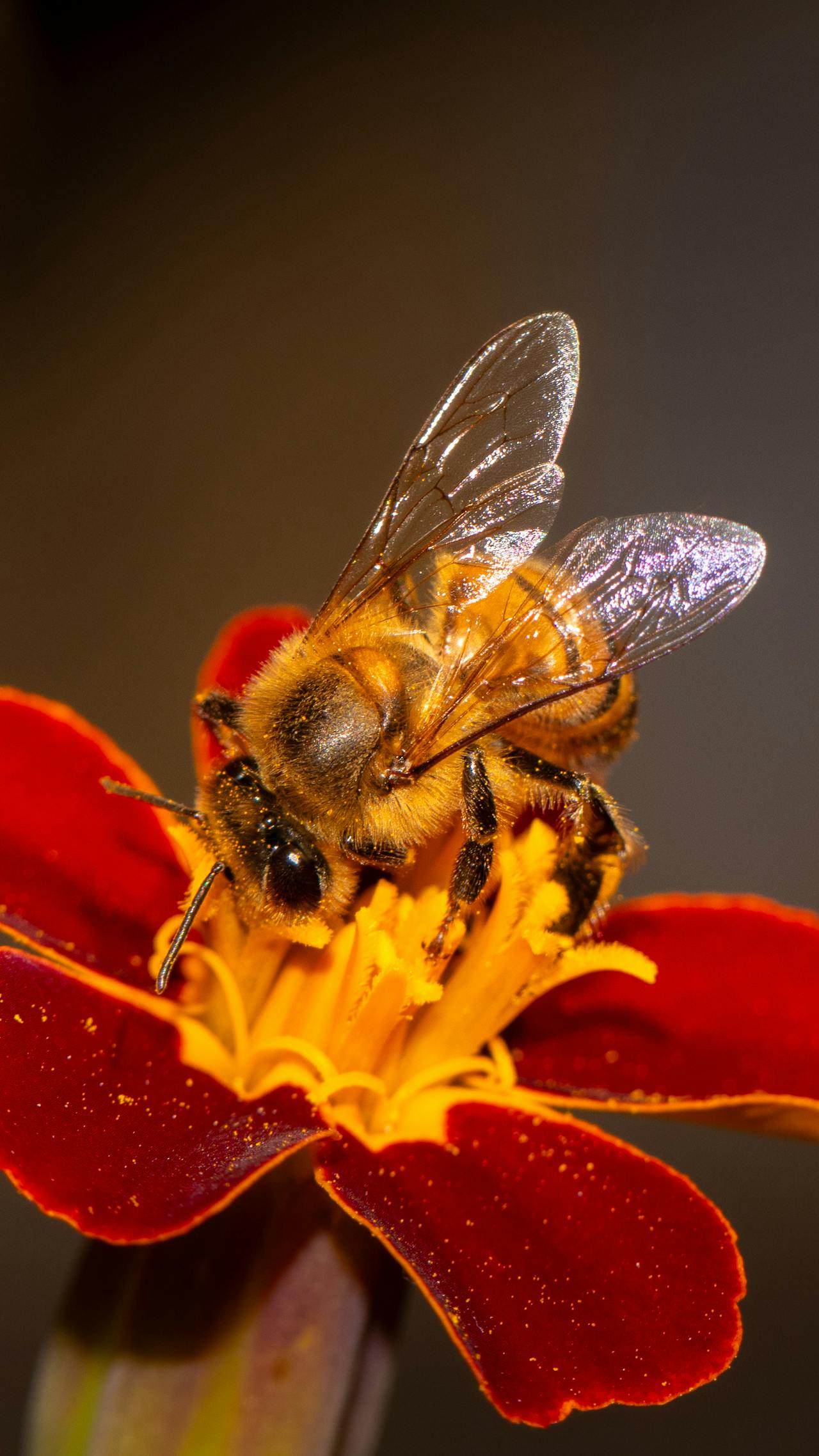
The interaction between the managed honeybee and the modern agricultural landscape is often described as a shimmering bridge between the human world and the mysterious rhythms of nature. As a worker bee slips into the warm, pollen-saturated air of a treated field, the initial shock of chemical detection quickly gives way to a profound sense of biological disruption. Looking through the crystalline lens of the meadow, one catches a glimpse of silver-brown silhouettes gliding with an effortless grace that has sustained terrestrial ecosystems for eons. There is an immediate, humbling realization of their mastery over this environment; while humans are clumsy guests, bees move with a kinetic poetry that synchronizes the reproductive cycles of nearly ninety percent of all wild flowering plants.
The sensory immersion becomes truly hazardous when the chemical element of the encounter begins. Honeybees are masters of olfactory and vibratory communication, but as they approach flowers treated with herbicides like glyphosate or atrazine, they may suffer a silent, molecular disruption—the physical sensation of being "scanned" by sophisticated biochemical interference. This moment of contact creates a volatile atmosphere within the bee’s internal systems. When a bee makes contact with these contaminants, there is an unmistakable dampening of the intelligence and awareness that allows for hive coordination, fostering a disconnection that feels both ancient and deeply personal. It is a silent breakdown between two biological systems, conducted in the vast theater of the wild.
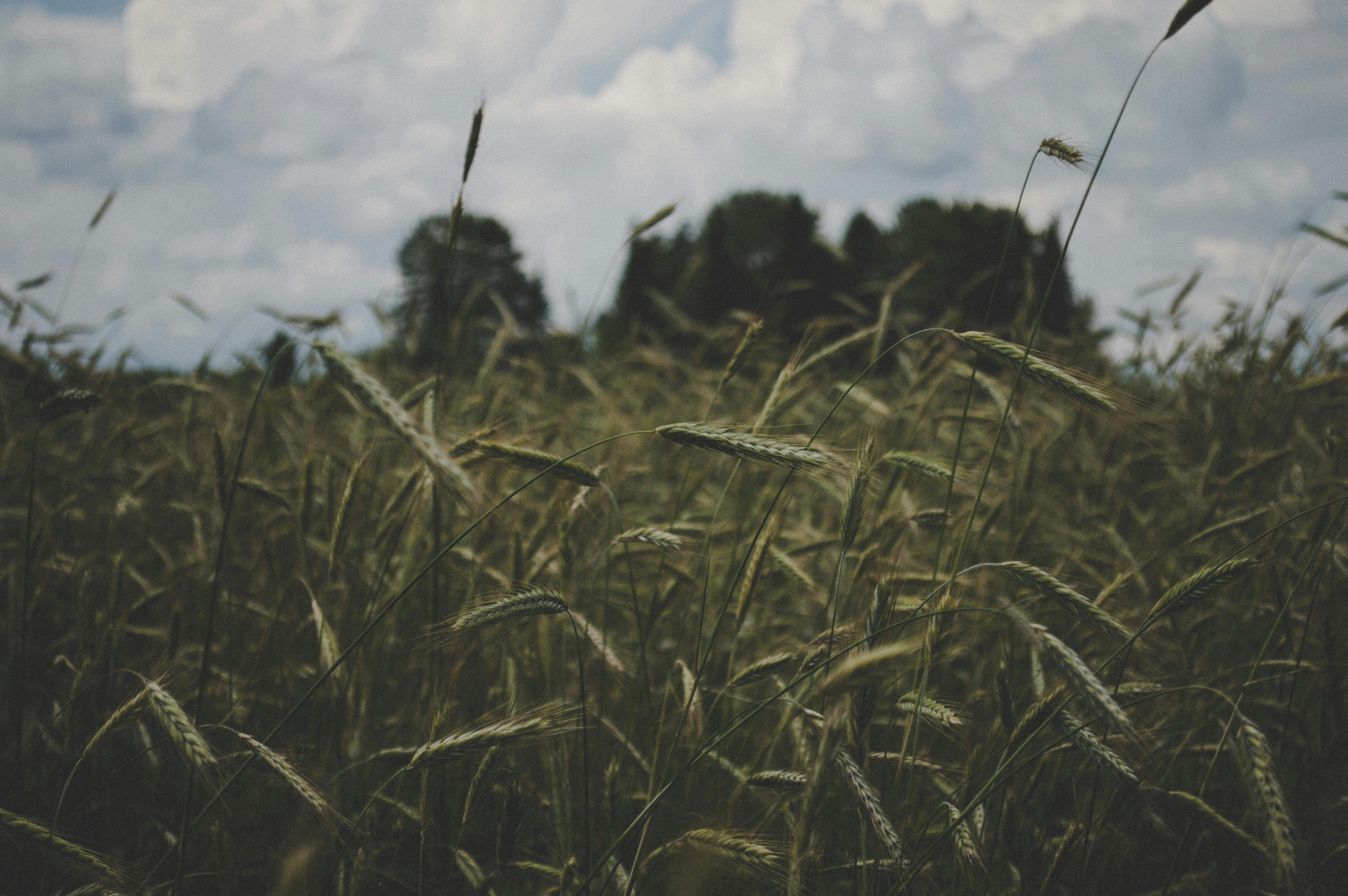
As this interspecies communion is poisoned, the surrounding ecosystem seems to dissolve, leaving only the profound gravity of a threatened existence. This toxic proximity offers a rare glimpse into a life of fluid fragility, where the boundaries of colony identity are softened by the surging currents of chemical runoff and the harmonic dissonance of a failing social structure. Every subtle tilt of an antenna serves as a masterclass in biological engineering, yet these technical marvels are eclipsed by the weight of anthropogenic stress. You are no longer merely an observer, but a witness to a grand, aerial ballet of chemical persistence, watching a society that has thrived for eons struggle against the abyss of modern herbicide proliferation.
The Return to the Surface
Emerging from the data, the world often feels fundamentally different. The air seems fresher, and the vastness of the fields feels less like a void and more like a vibrant, living neighborhood that we have a growing responsibility to protect. This encounter with the bee's struggle lingers in the memory as a stark reminder of the beauty that exists just beneath the surface of the green world. You leave the analysis not just with a story, but with a renewed sense of environmental stewardship, carrying the weight of that amber-hued gaze back to the shore of our collective policy. Beyond the thrill of the interaction, the experience offers a window into a complex society where nurse bees guide their larvae with gentle care and foragers engage in spirited displays of communication that mirror our own, yet remain entirely alien.
The Silent Mystery of the Meadow
Their play and work are not aimless; the waggle dances and stop signals of the hive are displays of high-level coordination and social bonding evolved over millions of years. However, this communication is now being muted, as common herbicides reduce foraging by 13% and dampen the social cues required to maintain the hive's balance. The salt-heavy air of the industrial coast and the pull of economic tides become secondary to the realization that we are witnessing the erosion of a mind as intricate and capable as our own, wrapped in a form designed for the ultimate freedom of the meadow. This ephemeral bond, forged in the green heart of the planet, leaves an indelible imprint upon the soul, a lingering echo of a world where wonder is the common language and every heartbeat of a bee is a testament to the enduring mystery of the wild.